Two routes to the same warm room
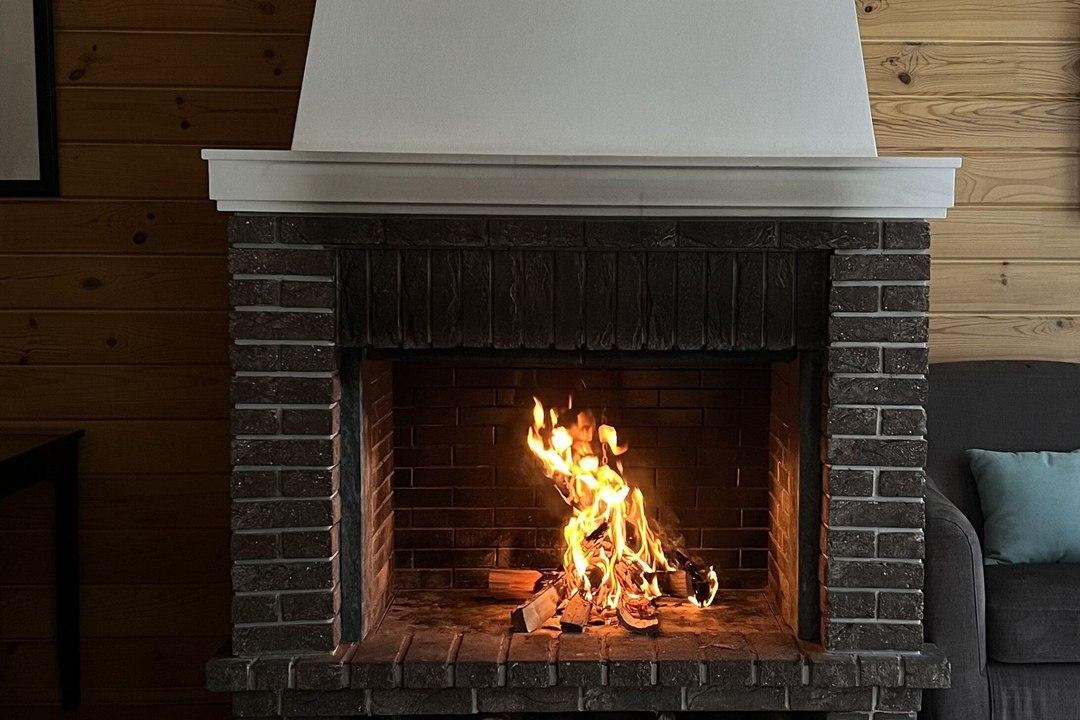
Owners who want gas heat in Anaheim usually have two routes open to them. The first keeps the existing fireplace and fits a gas insert inside it, with liners running up the old chimney. The second leaves the old fireplace behind, or the house never had one, and puts a complete gas fireplace into a wall, venting straight outside through a short pipe. Both give you a flame behind glass and heat at the turn of a knob or the press of a remote. They cost different amounts, suit different houses and leave you with different things to look after.
The two options compared
| Gas insert | Direct vent gas fireplace | |
|---|---|---|
| Where it goes | Inside your current masonry or factory built firebox | Any outside wall, or an inside wall with a vent run |
| Our listed price | $2,800 to $5,650 | $4,500 to $9,050 |
| Uses the chimney | Yes, as a chase for the liners | No |
| Chimney upkeep afterwards | The masonry still needs its top, cap and flashing kept up | None, once the old chimney is dealt with |
| Framing and finish work | Little; the surround stays | A new opening, framing, a hearth or ledge, and finish |
| Typical reason to choose | You like the fireplace where it is | The fireplace is in the wrong room, or the chimney is unsound |
The lower number on the insert side is easy to see. What the table does not show is the condition of the chimney, and in older parts of Anaheim that can tip the decision.
When the chimney makes the call
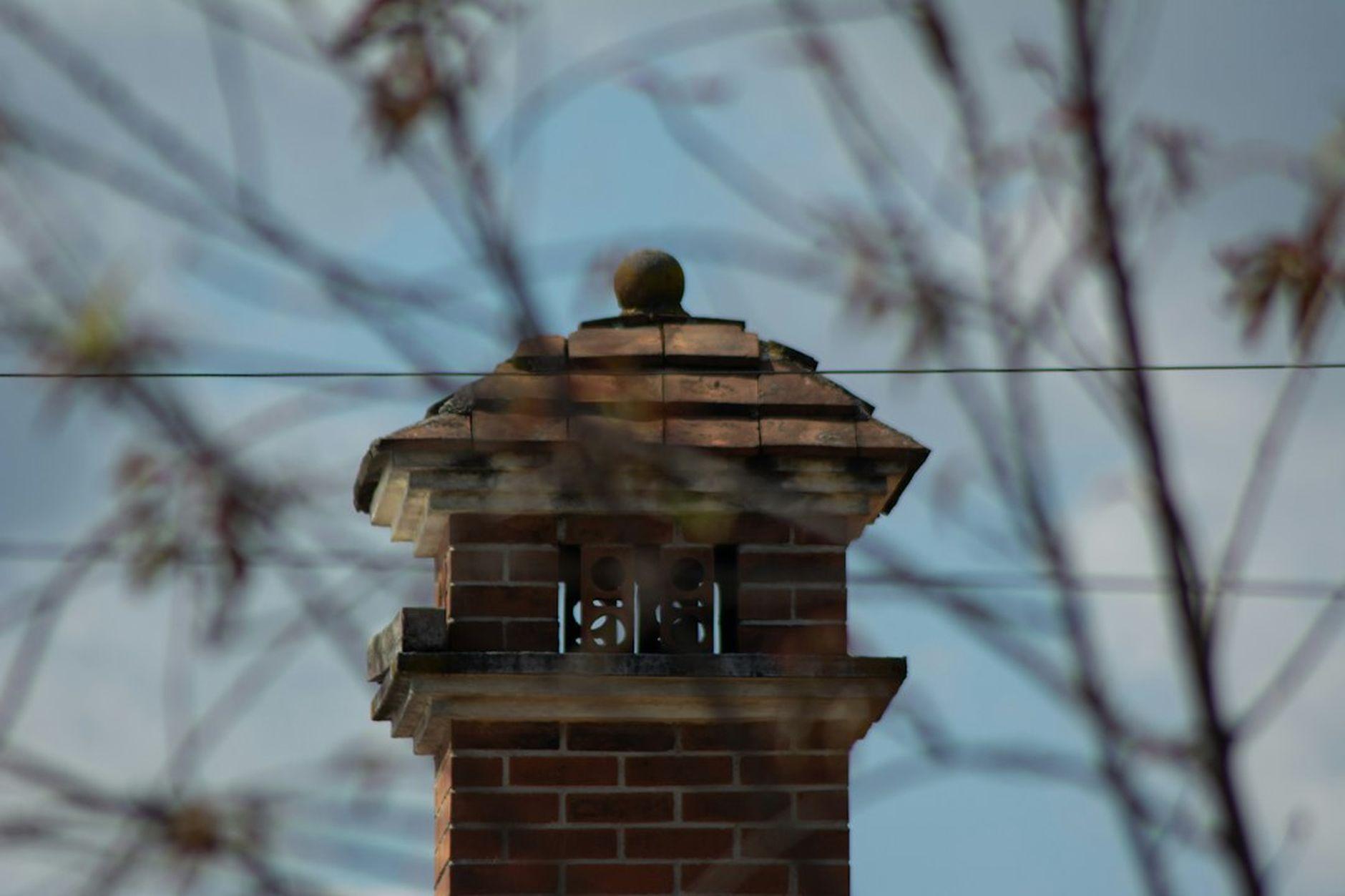
A gas insert relies on the chimney around it. The liners need a sound path from the firebox to the top, and the brick needs to stand up for years more. If the stack above the roof has open joints, a cracked top slab or a lean, those repairs come first, and on some houses they cost more than the gap between the two options.
We see this most on brick chimneys from the 1950s and 1960s. Orange County has felt real shaking in living memory, and brick stacks tied loosely to a wood house are the part that suffers. If the chimney needs a partial rebuild or bracing, owners sometimes decide to take it down to the roofline, close the old opening and put a direct vent unit elsewhere. Others keep the chimney, repair it and fit the insert. Both are reasonable; the right one depends on what the repair quote says.
Factory built fireplaces raise their own question. Many metal fireboxes from the 1980s and 1990s are listed only for certain inserts or for none at all. If the label plate does not allow an insert, the direct vent route is usually the answer.
What moves each price
On the insert side, the spread from $2,800 to $5,650 follows the size and features of the unit, the length of liner, the distance to the nearest gas supply and how much of the old throat has to be opened up for the liners to pass.
On the direct vent side, the spread from $4,500 to $9,050 follows the size of the unit, where the vent leaves the house (straight out the back of the wall is the simplest; up and over to a roof cap is more work), how far gas pipe has to travel, and the finish you want around it: a plain drywall frame, tile, stone or a full mantel wall.
Neither range includes repairs to an existing chimney or taking a stack down. Those are priced on their own once we have seen the brick.
To see both options priced for your own house, request a side by side quote and tell us which room you want warm, whether it has a fireplace now and how old the house is. The measuring visit then covers both routes at once.
Questions owners ask us
Which one heats better? Sizes overlap. A large insert and a mid sized direct vent unit give similar heat. What matters more is matching the output to the room, which we do on the visit.
Can I keep using the old fireplace for wood and add a gas unit in another room? Yes, and some families do. Bear in mind that on a Rule 445 no-burn day in Anaheim the wood fireplace stays unlit while the gas one can run.
Will a direct vent unit work on a second floor? Usually, if there is an outside wall nearby or a route for the vent. We check the wall and the framing before we quote.
Does an insert need anything done to the chimney top? The liners end in a cap at the top of the chimney. If the old top slab is cracked we fix it at the same visit, since we are already on the roof.
What about gas logs? Logs are mostly decorative and send much of their heat up the flue. If heat is the goal, our gas logs page explains where they fit and where an insert is the better buy.
Planning the job
Whichever way you go, the order is the same: confirm the chimney or the wall can take the unit, pick the model, then plan the gas run and the finish. Our insert pricing post goes deeper into the insert side, and the remodel page covers surrounds and new walls.
When you would like both routes written out for your Anaheim house, the contact page gets a measuring visit on the calendar.
From Reading to a Written Plan
On one visit Channing Chimney Services sizes the opening, checks any label plate, films the flue and then sends the upgrades that fit, priced in columns. Requests come from Anaheim, Brea, Orange, Riverside and the other cities on our list.