Why owners stop using the open fireplace
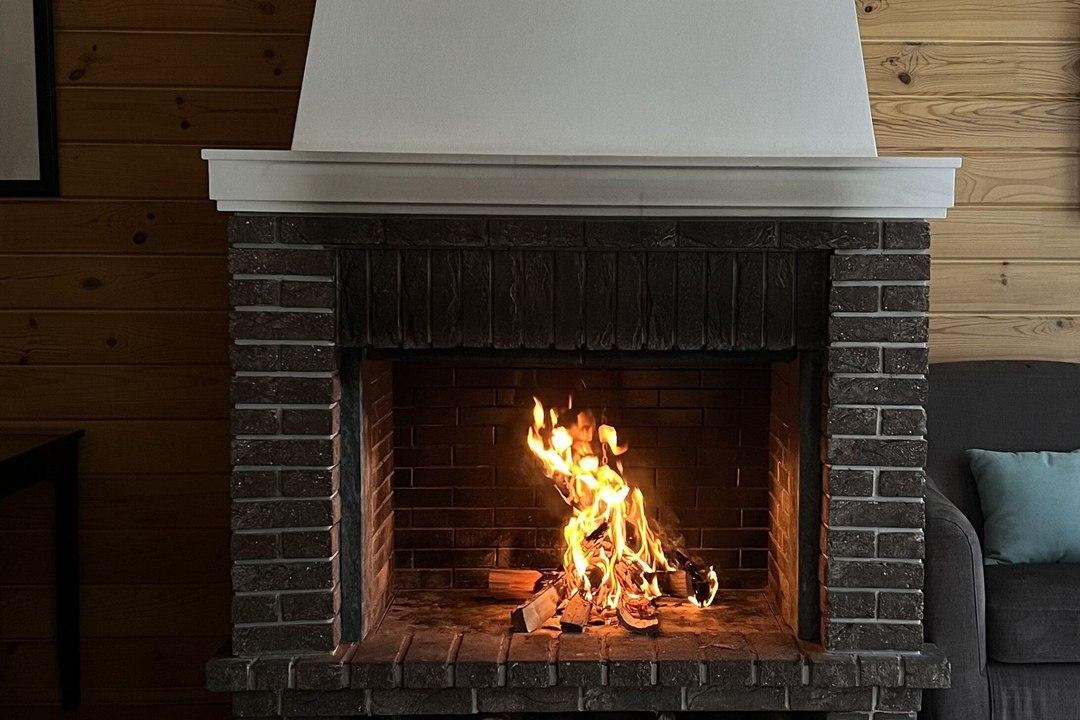
An open fireplace in Anaheim sends most of its warmth up the flue. On a cool January night it can even leave the room colder, because the fire draws heated air out of the house to keep burning. An insert changes that. A sealed steel or cast iron box goes into the old opening, a liner runs up inside the chimney to the top, and the fireplace becomes a heater that warms the room instead of the sky.
The first thing owners ask us is which kind to buy. The second is what it costs. There are three kinds of insert, and they differ in fuel, in upkeep and in price, so this post lays them out next to each other with the one figure our price list carries and what moves the other two.
Gas, wood and pellet next to each other
| Gas | Wood | Pellet | |
|---|---|---|---|
| Fuel | Natural gas from the house line | Seasoned hardwood you buy or split | Bagged compressed pellets |
| Channing listed price | $2,800 to $5,650 | Written figure after we measure | Written figure after we measure |
| What runs up the chimney | Two small flexible liners, or one pipe inside another | One stainless liner, full height | A narrow stainless pellet vent |
| Needs an outlet | Only for an optional fan | No | Yes, it stops without power |
| Daily effort | Press a button or turn a key | Loading, ash, wood storage | Fill the hopper, empty the ash pot |
Anaheim sits inside the South Coast Air Quality Management District. On days the district bans wood burning under Rule 445, a wood insert has to stay cold, while a gas flame is still allowed. For many households in town that one point settles the choice before price comes into it.
What sets the price of each one
Gas. Our range of $2,800 to $5,650 covers the insert, its venting, the connection to the gas line at the firebox and the fitting. Where a given house lands inside that range comes down to four things:
- The unit itself. A basic model with a standing pilot and a plain face sits low; a larger firebox, a remote, a fan and a modern trim kit push it up.
- The height of the chimney. Liner is sold by the foot, and a two storey house in east Anaheim needs more of it than a single storey ranch near downtown.
- The gas line. If a gas key already sits beside the hearth, the connection is short. If gas has to be brought to the fireplace, there is more pipe and more labour.
- The throat of the old firebox. Liners have to pass the damper and smoke shelf. On some fireboxes that is easy; on others the old damper frame comes out first.
Wood. There is no fixed figure on our list because the spread is too wide. A small steel insert in a shallow firebox and a large cast iron one in a wide opening are different jobs. The liner is often the bigger share on a tall chimney, and some fireplaces need the hearth in front extended because the insert sits further into the room than the old opening did.
Pellet. The vent is narrow and cheaper than a wood liner, but the unit has a motor, fans and a control board, and it needs an outlet within reach of its cord. The hopper also needs room to open, which can rule out a low mantel.
For all three, the chimney has to be sound before anything goes in. A cracked top slab, loose brick above the roof or a smoke chamber caked with creosote are dealt with first. Sweeping is from $420, and a camera inspection at $395 tells us whether the flue is ready.
If you want real numbers for your own fireplace, ask for an insert quote and include the width and height of the opening, which fuel you are leaning toward and roughly how big the room is. Those three facts let us bring the right brochures to the measuring visit.
What our written quote lists
A price on its own does not let you compare one installer with another. Our insert quotes break the job into lines so you can see where the money goes:
- the make and model, with its heat output and the size of firebox it needs;
- the liner: type, diameter and length, and how it is sealed at the top;
- gas pipe work, or for pellet units, where the outlet is;
- any change to the hearth, surround or mantel needed for clearances;
- removal of the old damper or grate, and haul away;
- a cap for the top of the liner;
- anything on the chimney that has to be fixed first, priced as its own item.
When you have two or three quotes in hand, line them up against that list. A low total that leaves out the liner, or quotes a short length of pipe that stops partway up the chimney, is not the same job.
Which one tends to suit which house
There is no right answer for every home, but there are patterns.
A gas insert suits owners who want heat at the press of a button, who want to use the fireplace on no-burn days and who do not want to store fuel. Most Anaheim houses already have gas, so the running cost is predictable.
A wood insert suits people who like a real fire, have space to keep a season of wood dry and accept that some winter evenings are off limits. It gives the strongest heat of the three for its size.
A pellet insert sits between them. It burns a wood product but feeds itself from a hopper and holds a steady temperature from a thermostat. It needs power and regular cleaning, and pellets have to be kept dry, which is easier inland than in a damp garage.
If you are torn, our fireplace inserts page sets out how we size and fit each type, and the gas insert or new gas fireplace post covers the other gas route for houses without a usable chimney.
Getting a figure for your house
Every number in this post becomes firm only once we have measured your firebox and looked at the flue. We serve Anaheim and the nearby cities, and a measuring visit is how each quote starts. When you are ready to see your own options priced line by line, head to the contact page and tell us which of the three you are weighing.
From Reading to a Written Plan
On one visit Channing Chimney Services sizes the opening, checks any label plate, films the flue and then sends the upgrades that fit, priced in columns. Requests come from Anaheim, Brea, Orange, Riverside and the other cities on our list.